"The Adventure Zone" is a comedy tabletop RPG podcast where the McElroy family plays different games across multiple story arcs. Griffin McElroy is the Game Master (GM), running the game for players Justin, Travis, and Clint McElroy. The show starts with Dungeons & Dragons (D&D) but later switches to other systems.
“The Adventure Zone” is a comedy tabletop RPG podcast where the McElroy family plays different games across multiple story arcs. Griffin McElroy is the Game Master (GM), running the game for players Justin, Travis, and Clint McElroy. The show starts with Dungeons & Dragons (D&D) but later switches to other systems. If you’re new to RPGs, don’t worry — this guide explains exactly what they play, where to start, and what you’ll need to try it yourself.
What Game Does The Adventure Zone Play? (It Changes by Arc)
The podcast changes the game system depending on the story arc. Each arc uses rules tailored to its tone and style. Here’s what they play:
-
Balance (Episodes 1–69): The first and longest arc uses Dungeons & Dragons (D&D), the most popular tabletop RPG. It’s a fantasy adventure with dungeon crawling, magic, and humor. The first mini-arc, “Here There Be Gerblins” (Episodes 1–7), is a great introduction to how D&D works.
-
Amnesty (Episodes 70–106): This arc switches to Monster of the Week, a Powered by the Apocalypse (PbtA) game focused on narrative storytelling. It’s simpler than D&D and emulates shows like “Supernatural” or “Buffy the Vampire Slayer,” where players hunt monsters in a small town.
-
Graduation (Episodes 107–141) & Ethersea (Episodes 142–186): Both return to D&D, but with very different settings. “Graduation” is a fantasy school story, while “Ethersea” is an underwater sci-fi adventure.
There are also shorter one-shots (single-session adventures) between arcs, using systems like “Lasers & Feelings” or “Fiasco.” These are fun but not tied to the main story.
Which Arc to Start With
If you’re new to RPGs, start with Balance. It’s the most beginner-friendly because:
- It uses D&D, which has tons of resources for learning.
- The early episodes (1–7) are short and introduce mechanics slowly.
- The humor and pacing are great for first-time listeners.
Amnesty is also a good starting point if you prefer:
- Less rules-heavy gameplay (Monster of the Week is simpler than D&D).
- A modern horror/mystery vibe instead of fantasy.
- More focus on story and character choices over combat.
Skip Graduation or Ethersea as your first listen. They assume you already know D&D basics and reference earlier arcs. One-shots are fun but too short to learn from.
How to listen:
- Start with Balance Episode 1. If you like it, keep going.
- If D&D feels overwhelming, try Amnesty Episode 70 instead.
- Don’t jump around — each arc has its own story and rules.
What to Buy for Each Arc
You don’t need to buy anything to listen, but if you want to play the same games, here’s what to get:
For Balance, Graduation, or Ethersea (D&D)
- D&D Starter Set (~$20): Includes basic rules, pre-made characters, and a short adventure. Perfect for beginners.
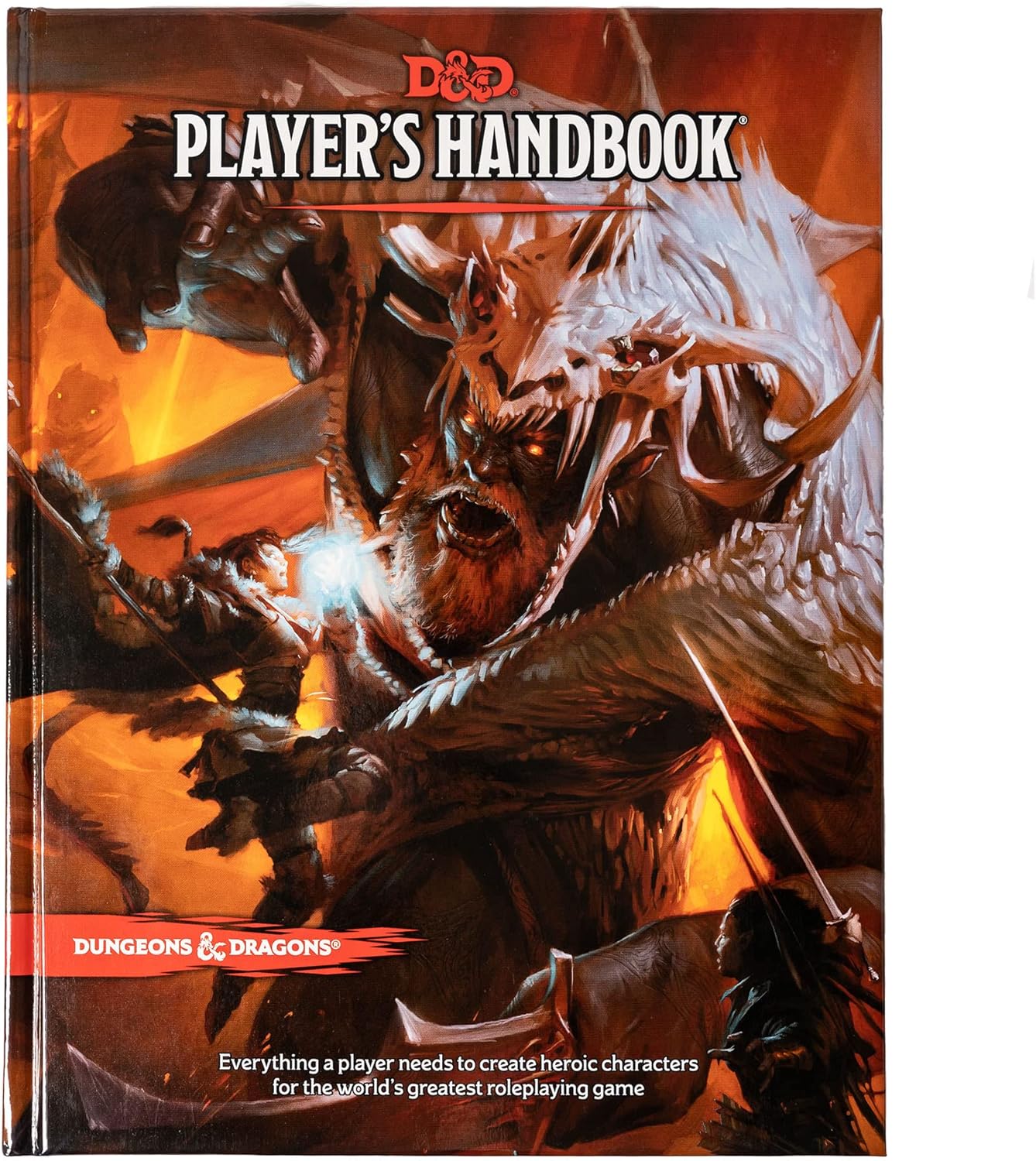
- Player’s Handbook (~$50): The core rulebook if you want to create custom characters. More detailed but not required at first.
Avoid buying the Dungeon Master’s Guide or Monster Manual yet — they’re for advanced players.
For Amnesty (Monster of the Week)
- Monster of the Week Rulebook (~$25): The only book you need. It has rules, playbooks (pre-made character templates), and advice for running mysteries.
For One-Shots
Most use free rules online (e.g., “Lasers & Feelings” is one page). Check the show notes for links.
What not to buy yet:
- Expensive D&D books beyond the Starter Set or Player’s Handbook.
- Dice or accessories until you’ve tried a session (many groups share).
After The Adventure Zone — What to Try Next
If you liked Balance (D&D), try:
- Playing D&D with friends: Use the Starter Set or find a beginner-friendly group online.
- Other actual-play podcasts: “Critical Role” (long, professional) or “Not Another D&D Podcast” (comedy-heavy).
If you liked Amnesty (Monster of the Week), try:
- Other PbtA games: “Masks” (teen superheroes) or “Apocalypse World” (post-apocalyptic drama).
- Rules-light systems: “Fiasco” (no GM needed) or “Dungeon World” (PbtA fantasy).
General tips:
- Start small. A 2–3 hour one-shot is easier than a long campaign.
- Listen to other shows to hear how different games work.
- Don’t worry about “doing it wrong” — most groups tweak rules to fit their style.
Frequently Asked Questions
Q: Do I need to listen to The Adventure Zone in order?
Yes, it’s best to start with Episode 1 of an arc (like Balance or Amnesty) and follow sequentially, as each arc tells a complete story with recurring jokes and character development.
Q: Can I play these games solo?
Most TTRPGs are designed for groups, but systems like “Ironsworn” offer solo play options. The Adventure Zone’s games (D&D, Monster of the Week) require at least 2–3 players and a GM.
Q: How long does it take to finish an arc?
Balance (69 episodes) takes ~100 hours, while Amnesty (36 episodes) is ~50 hours. Shorter arcs like Ethersea are faster, but pacing varies by listening speed.