Reusable Dry-Erase Battle Tiles for D&D
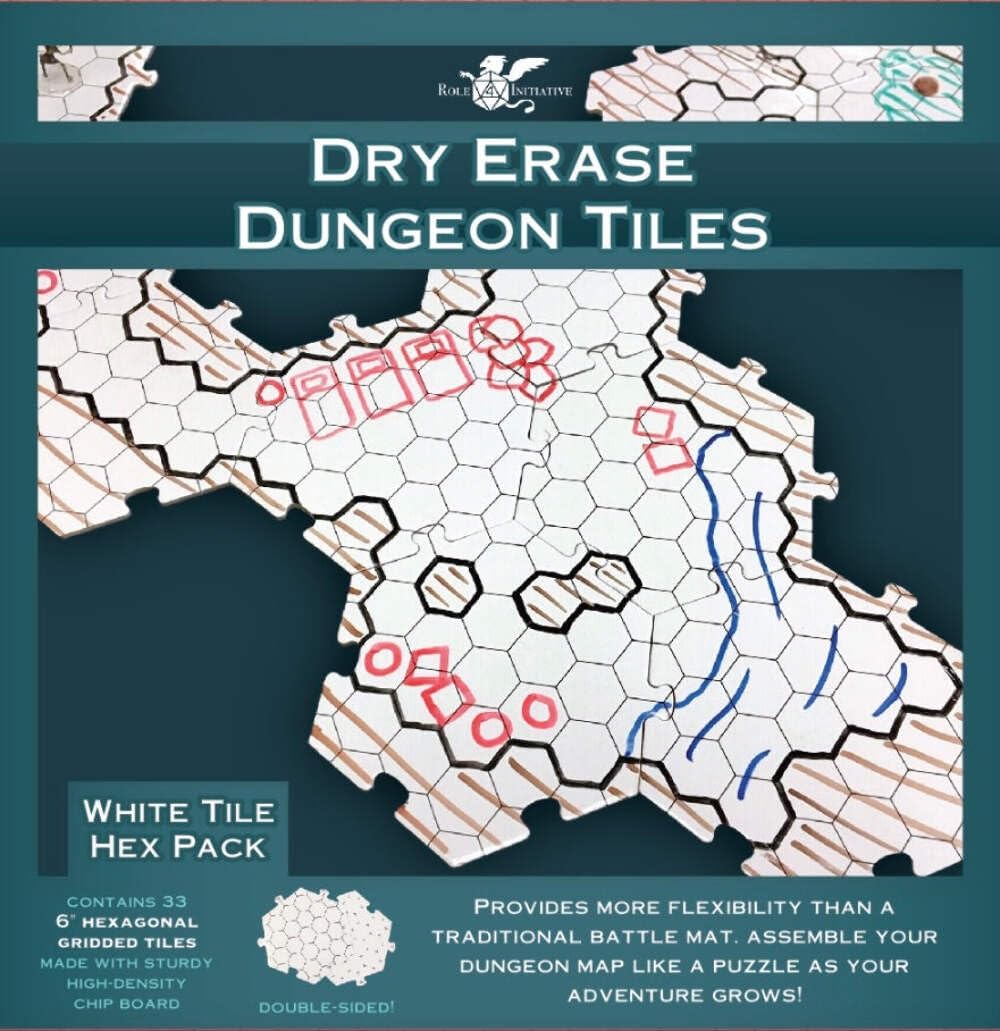
Dry-erase dungeon tiles let you draw reusable battle maps for tabletop RPGs. They’re wipe-clean grids (usually squares or hexes) that you can sketch terrain on with dry-erase markers, then erase and reuse next session.
Verdict: Skip these unless you really want physical tiles—beginners can improvise with grid paper or a basic wet-erase mat just fine.
Dry-erase dungeon tiles let you draw reusable battle maps for tabletop RPGs. They’re wipe-clean grids (usually squares or hexes) that you can sketch terrain on with dry-erase markers, then erase and reuse next session. Beginners often search for “reusable dry-erase RPG battle tiles” or “wipe-clean dungeon mapping tiles” when looking for ways to visualize combat without buying expensive pre-printed maps.
Verdict: Skip these unless you really want physical tiles—beginners can improvise with grid paper or a basic wet-erase mat just fine.
What to Look For
Material durability matters most. Cheap tiles warp or stain after a few uses. Look for thick, rigid plastic (at least 2mm thick) that lies flat on the table. Thin, flimsy tiles slide around and won’t last. Some brands claim to be “dry-erase only,” but dual wet/dry-erase compatibility is better—it gives you marker options and easier cleaning.
Grid type should match your game. Square grids work for most dungeon crawls (like D&D), while hexes suit tactical games with more movement angles (like GURPS or wargames). Check the scale: 1-inch squares/hexes are standard for miniatures, but some tiles use larger grids for theater-of-the-mind play.
Size and storage are practical concerns. Bigger tiles cover more table space fast, but small sets (under 20 tiles) force constant redrawing as players move. A 30–40 tile set balances cost and usability. Also check if the tiles stack neatly—bulky designs waste shelf space.
Marker quality is often overlooked. Many sets include cheap markers that ghost (leave faint stains) or dry out fast. If a set includes markers, check reviews to see if they’re usable. Otherwise, budget for name-brand dry-erase markers (like Expo) separately.
Our Pick
The Role 4 Initiative Dry-Erase Hex Dungeon Tiles (33pc) strike the best balance for beginners. The hex grid works for both RPGs and wargames, and the tiles are thick enough to stay flat during play. They’re dual wet/dry-erase compatible, so you can use any marker you already own without worrying about stains.
The 33-piece set covers enough space for most encounters, and the tiles interlock loosely to prevent sliding. Storage is simple—they stack neatly—and the hexes are large enough for standard miniatures. Unlike cheaper sets, these don’t feel disposable; they’ll last through years of campaigns if treated well.
Other Options Worth Considering
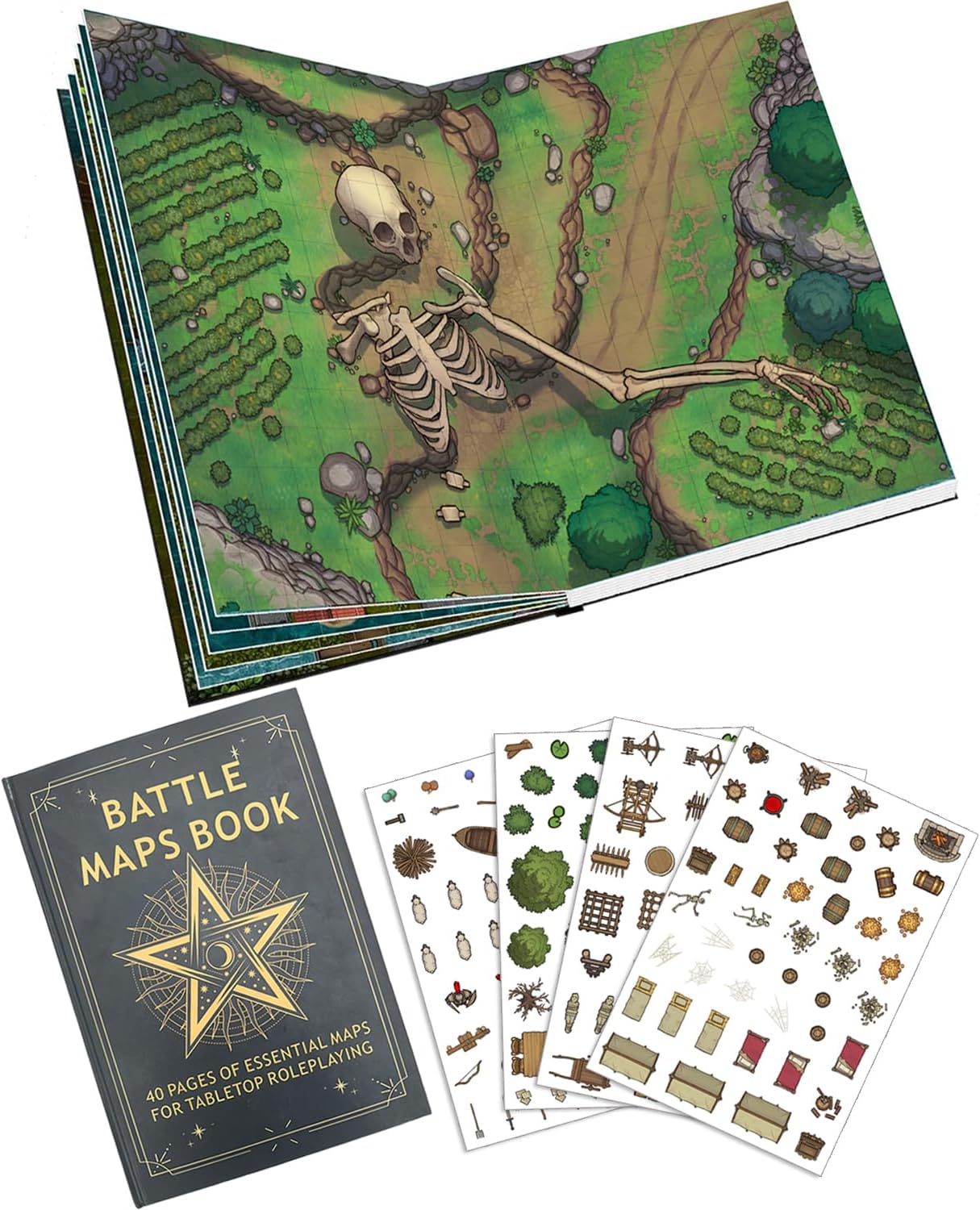
The Reusable Wet/Dry Erase Battle Map Book (40 Mats) is a spiral-bound book of blank grids. It’s portable and great for travel, but flipping pages mid-game can be awkward. The mats are thin, so they’re best for occasional use rather than heavy drawing and erasing.
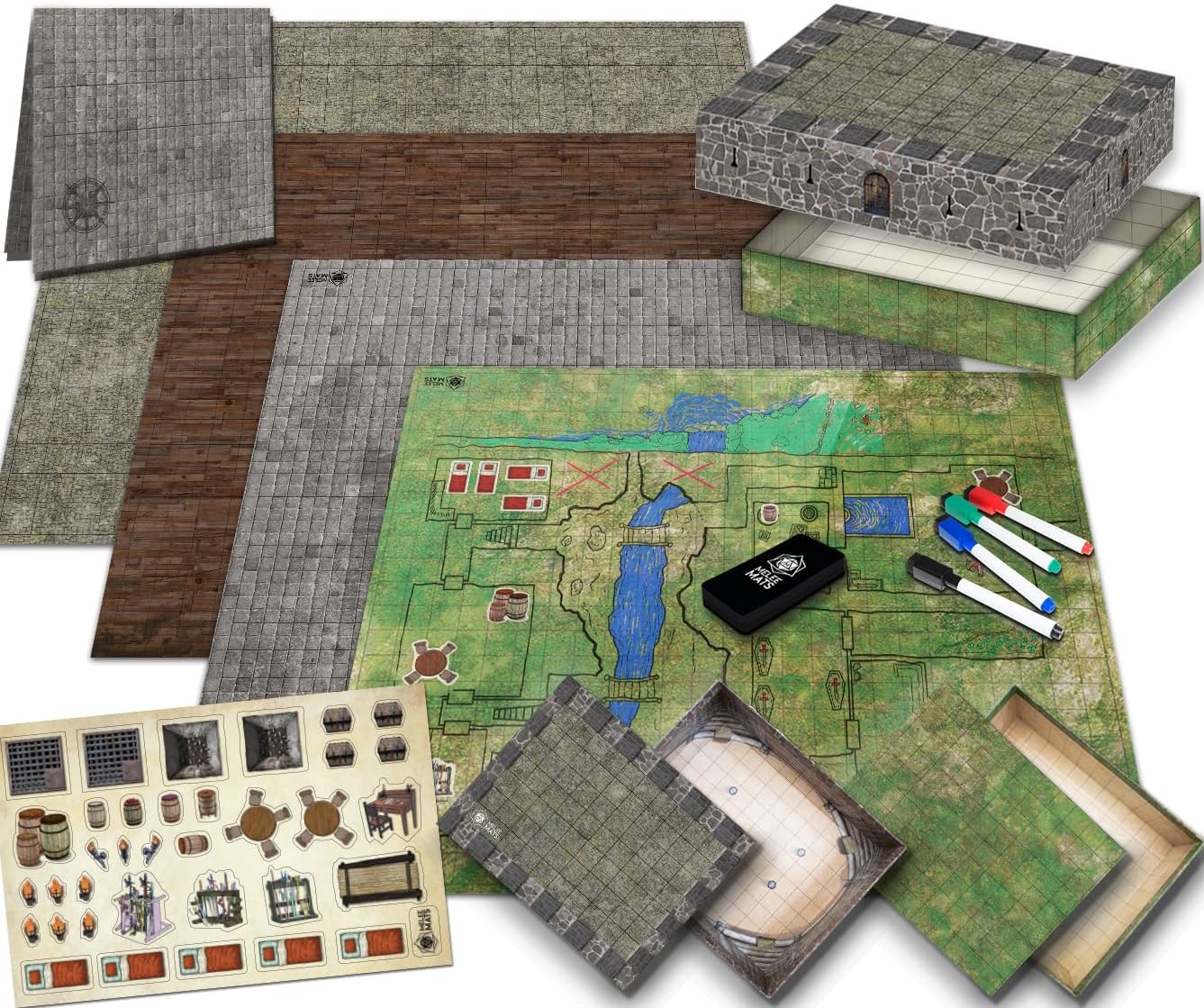
Melee Mats DND Map Starter Set includes pre-printed terrain (like forests and caves) on dry-erase tiles. It’s handy if you hate drawing, but the fixed designs limit creativity. The tiles are thinner than our main pick, and the set is smaller (only 12 tiles).
Do You Actually Need This?
Probably not right away. Beginners can use grid paper, a basic wet-erase mat, or even a whiteboard to sketch maps. Dry-erase tiles are a luxury, not a necessity—they’re for GMs who want modular, reusable maps without redrawing everything each session.
If you’re still learning rules, focus on core books and dice first. Tiles only matter if you care about precise movement and terrain. Many groups play theater-of-the-mind (no maps) or use rough sketches. That said, if you love tactical combat or want to minimize prep time, tiles can help. Just don’t assume they’ll magically improve your game—they’re a tool, not a solution.
Cost is another factor. A decent tile set costs $25–$50, while a wet-erase mat is under $15. If money’s tight, improvise with household items (coins for monsters, a ruler for grids) until you’re sure you’ll use tiles regularly. Some GMs buy them, use them twice, then revert to simpler methods. Be honest about your playstyle before spending.