Interlocking Dungeon Terrain Tiles: A Buyer's Guide
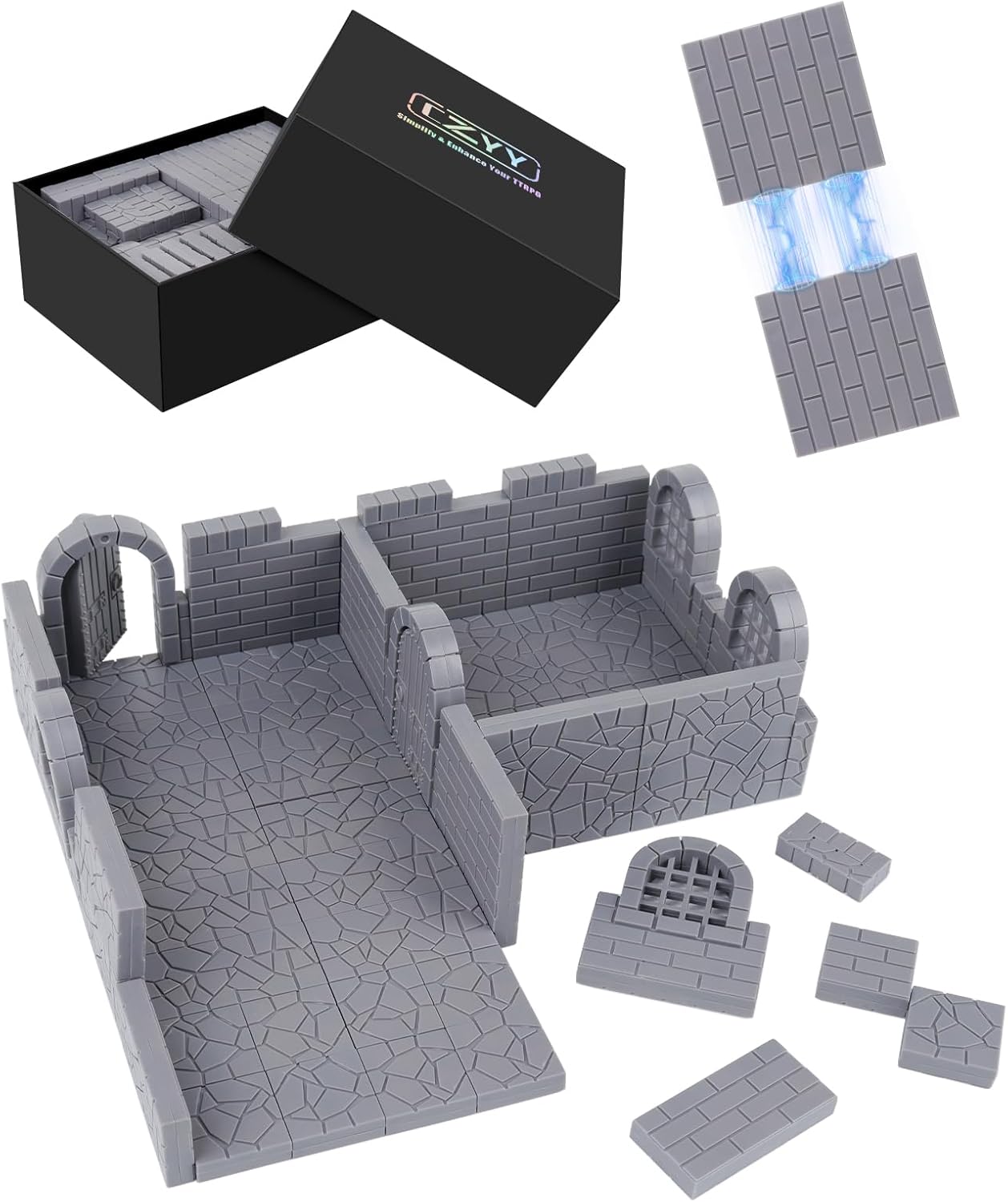
Modular dungeon terrain refers to physical pieces—usually plastic or resin—that snap or lock together to build 3D maps for tabletop RPGs. These sets often include walls, floors, and sometimes furniture to create dungeons, castles, or other fantasy settings.
Verdict: Skip unless you have disposable income and really want to enhance visual immersion—beginners can improvise just fine.
Modular dungeon terrain refers to physical pieces—usually plastic or resin—that snap or lock together to build 3D maps for tabletop RPGs. These sets often include walls, floors, and sometimes furniture to create dungeons, castles, or other fantasy settings. While they look impressive, they’re not essential: many groups use drawn maps or household objects.
Verdict: Skip unless you have disposable income and really want to enhance visual immersion—beginners can improvise just fine.
What to Look For
Material durability matters. Cheap plastic can warp or break if stored improperly. Look for ABS plastic or sturdy resin—these hold paint better and survive accidental drops. Thin, brittle pieces (common in budget sets) crack around interlocking tabs.
Modularity is key. The best sets let you rearrange pieces freely without gaps or instability. Magnetic connections (like in the CZYY set) are more secure than plastic clips, which loosen over time. Avoid sets where walls only attach at 90-degree angles—this limits creative layouts.
Storage needs are often overlooked. A 50+ piece set takes up space, and disassembling fragile terrain after every session is tedious. If you lack shelf space, prioritize smaller sets or stackable designs. Some 3D printable fantasy terrain pieces solve this by being flat-packed, but require a printer and assembly time.
Scale compatibility is critical if you mix brands. Most RPG miniatures are 25–28mm scale. Oversized terrain (e.g., 32mm) makes rooms feel cramped; undersized looks odd next to minis. Check product dimensions—a “2-inch wall” should match your minis’ eye level.
Our Pick
The CZYY Magnetic Modular Dungeon Tiles 58pc strikes the best balance for beginners. The magnets keep walls and floors firmly connected, avoiding the frustration of pieces collapsing mid-game. Unlike clip-based systems, these tolerate frequent rebuilding—a plus if you experiment with layouts.
The set includes enough variety (corners, doors, straight walls) to build small dungeons without repetition. The plain gray plastic takes paint well if you eventually want to customize, but works unpainted too. While not the cheapest option, the durability justifies the cost for long-term use.
Other Options Worth Considering
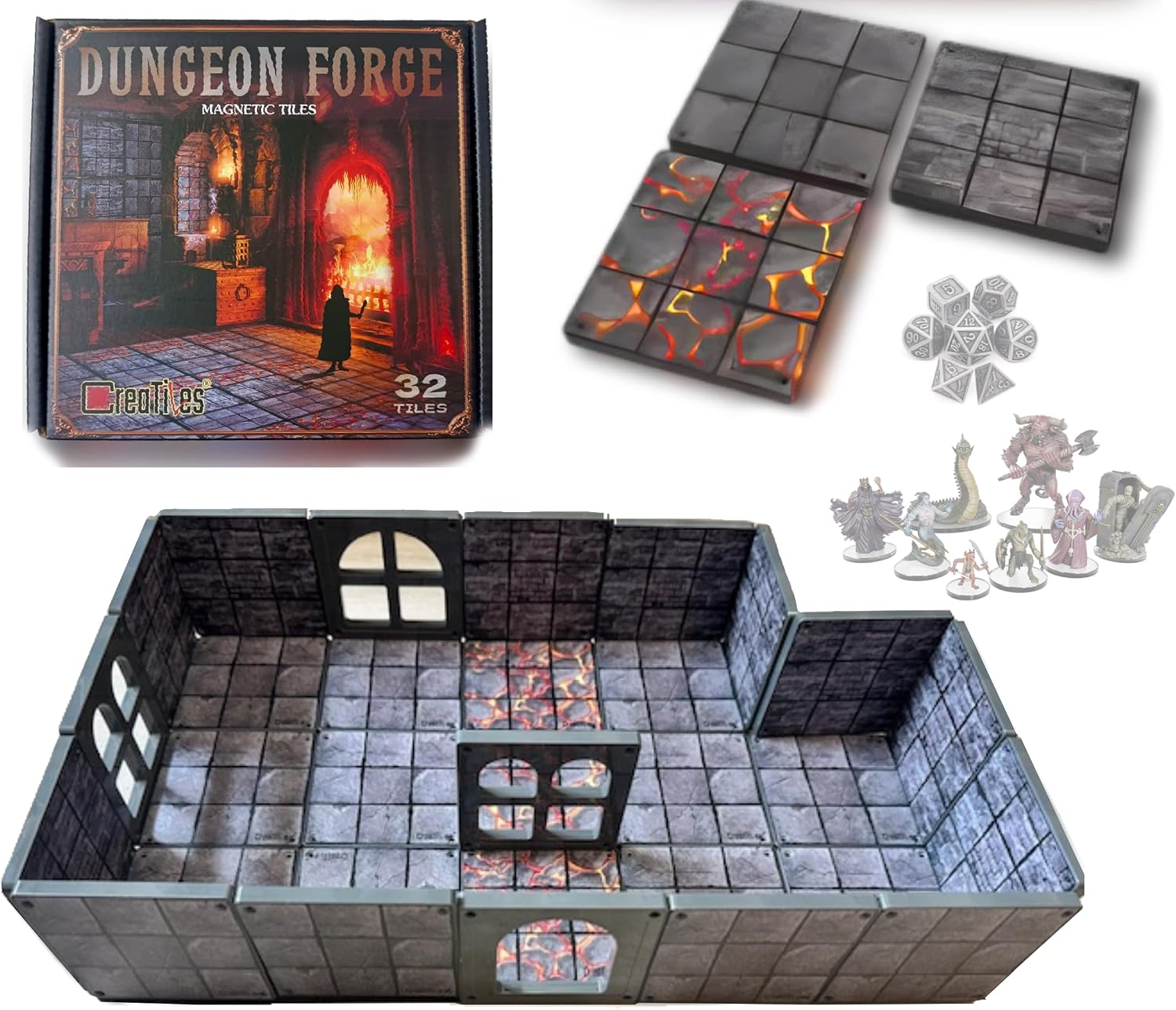
Dungeon Forge Magnetic Snap-Together Terrain 32pc is a smaller, more affordable alternative. The magnets are weaker than CZYY’s, but it’s a good intro set for occasional use. The pieces are slightly thinner, so avoid heavy-handed players.
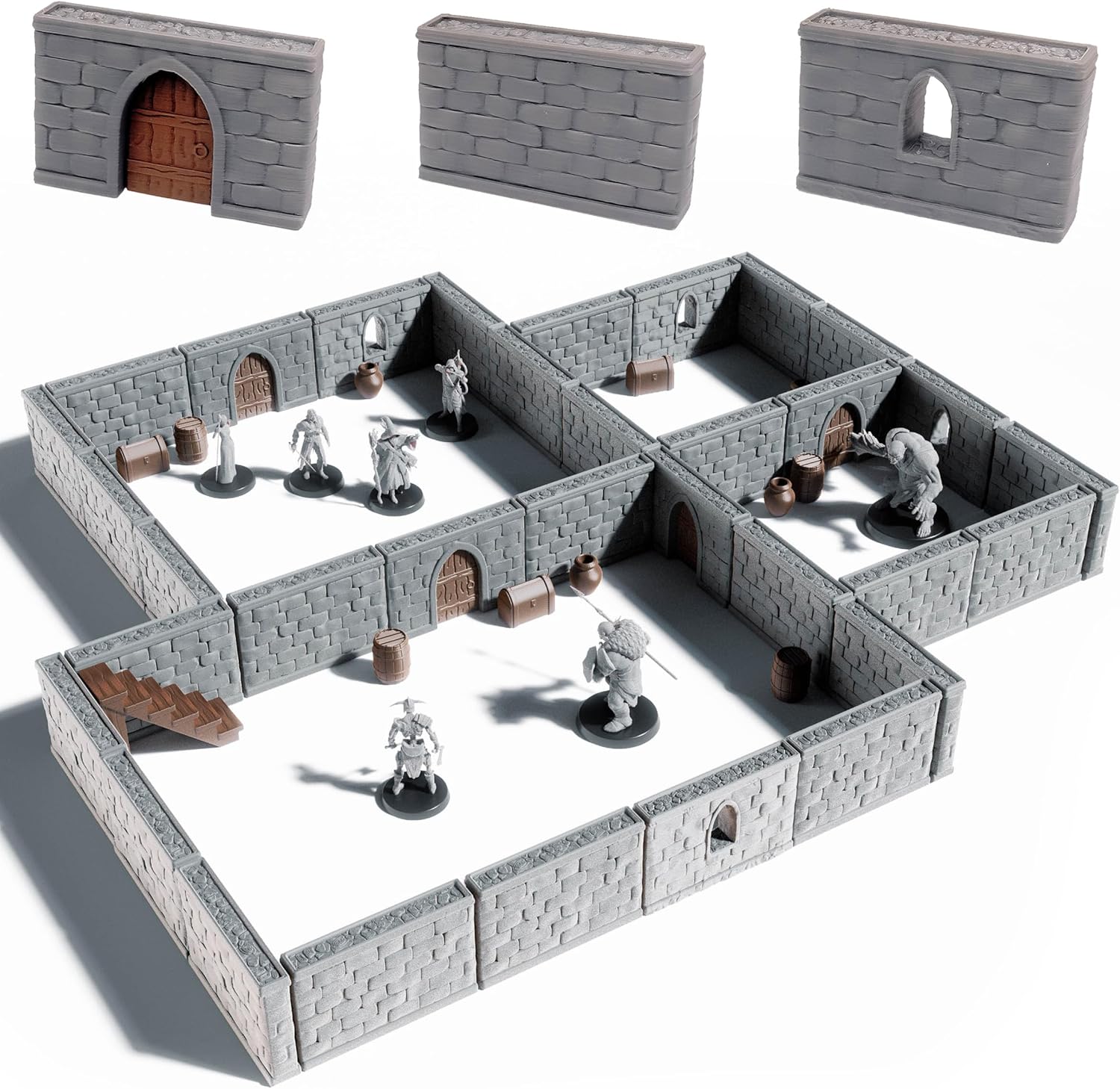
Dungeon Walls Modular RPG Terrain Set 48pc uses interlocking tabs instead of magnets. It’s cheaper but less stable—better for static displays than active gameplay. The textured stone design looks great unpainted, though.
Do You Actually Need This?
Probably not yet. Beginners often overestimate how much terrain improves gameplay. A wet-erase battle mat or even a hand-drawn grid works perfectly fine—many groups play for years without 3D terrain. If you’re still learning rules, adding physical props can distract from the game itself.
That said, modular terrain shines for specific cases. If your group loves tactical combat, 3D walls clarify line-of-sight rules better than flat maps. It’s also useful for immersion-focused groups where players enjoy visually exploring spaces. But even then, start small: a single set like the CZYY tiles covers basic needs.
DIY options exist if you’re crafty. Foam board, cardboard, and hot glue make serviceable terrain at near-zero cost. 3D printable fantasy terrain pieces are another route, but require a printer, filament, and patience for assembly. Only invest in pre-made sets if you’re certain your group will use them regularly—otherwise, they’ll gather dust.