Savage Worlds: What It Is and Who It's For
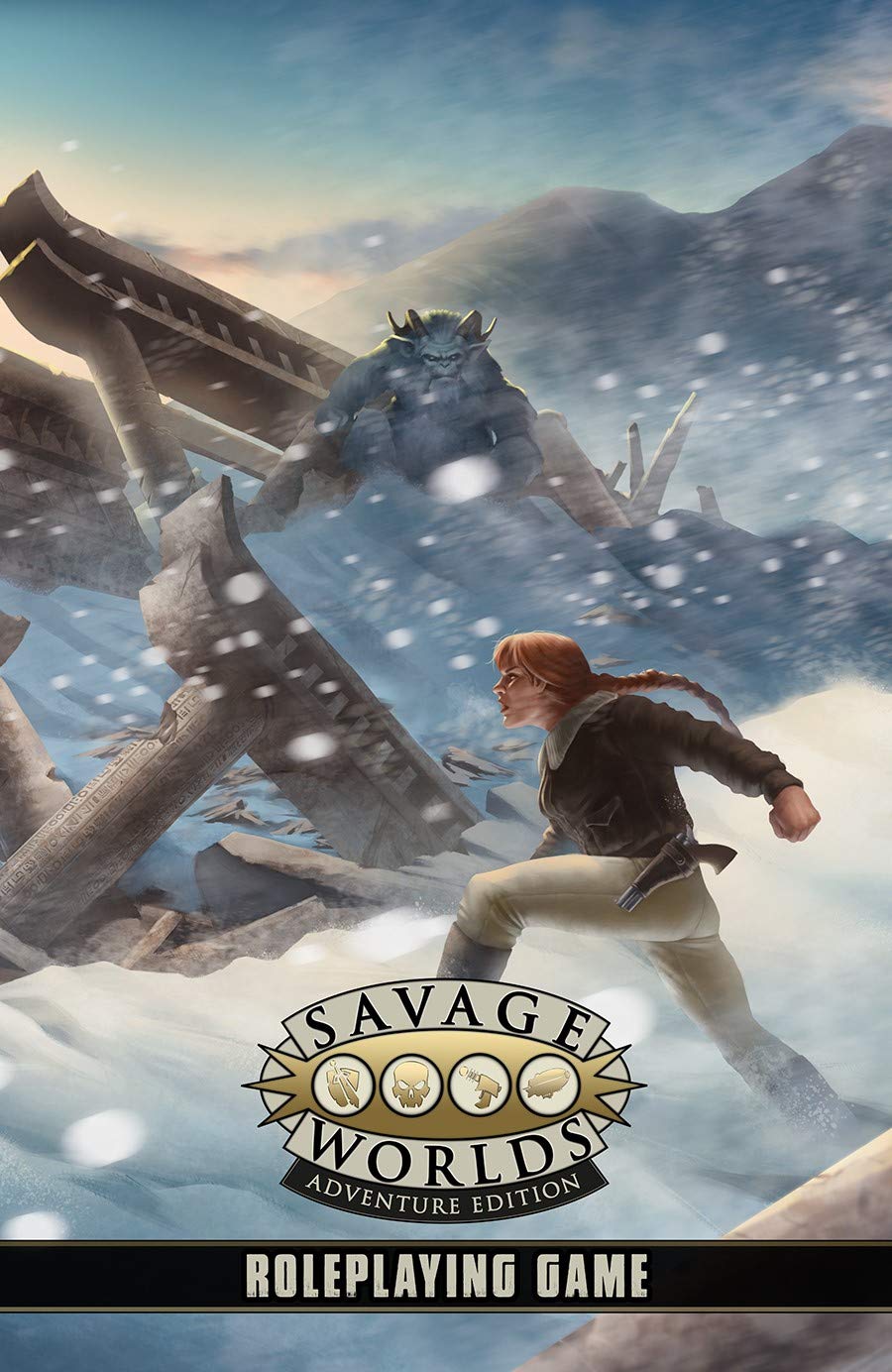
Savage Worlds is a flexible tabletop RPG system designed for fast-paced, action-heavy games. It works for many genres—fantasy, sci-fi, horror, or even mashups—but leans toward pulpy, dramatic combat. It’s not as rules-light as some systems, nor as complex as others.
Savage Worlds is a flexible tabletop RPG system designed for fast-paced, action-heavy games. It works for many genres—fantasy, sci-fi, horror, or even mashups—but leans toward pulpy, dramatic combat. It’s not as rules-light as some systems, nor as complex as others. If you want fights that feel cinematic without hours of math, it’s worth a look.
At a Glance
| Best for | Fast, action-packed games in any genre |
| Rules weight | Medium |
| GM required | Yes |
| Solo play | Possible |
| Session length | 3–4 hours |
| Players | 3–6 |
What Playing Savage Worlds Actually Feels Like
Savage Worlds games move quickly, especially in combat. Instead of tracking individual hit points, characters and enemies use a simple wound system. When you take damage, you either shake it off, get a minor penalty, or go down hard. This keeps fights fast but still tense—a lucky shot can change everything.
The game encourages big, risky moves. You can spend “bennies” (short for benefits) to reroll bad dice or soak up damage, which pushes players toward bold, heroic actions. For example, a player might leap from a speeding car to tackle a villain, spending a benny to reroll when they fail the first attempt.
Outside combat, the rules are lighter. Skills cover broad categories (like “Fighting” or “Persuasion”), so you won’t get bogged down in tiny modifiers. The focus is on storytelling, but the GM still has tools to create challenges, like dramatic tasks (e.g., disarming a bomb while enemies close in) or quick social conflicts.
How Heavy Are the Rules?
Savage Worlds is “medium crunch”—lighter than D&D but heavier than rules-light games like Fate. You’ll need to learn core mechanics, but they’re consistent. For example, almost every action uses the same dice roll: roll the relevant skill die (like a d6 or d8) plus a d6 “wild die,” take the highest result, and beat a target number.
Character creation involves choices but isn’t overwhelming. You pick attributes (like Strength or Smarts), skills, edges (similar to feats in D&D), and hindrances (flaws that give you extra bennies). A beginner could make a character in 15–20 minutes with guidance. However, some edges and gear have niche rules that aren’t always intuitive (e.g., “Rock and Roll!” lets you ignore recoil penalties for machine guns).
Combat has the most rules. You’ll track range, cover, status effects (like being shaken or wounded), and special abilities. It’s not spreadsheet-heavy, but it’s more than “roll to hit, roll damage.” New GMs might need to reference the book for edge cases, like grappling or vehicle chases.
Do You Need a Game Master?
Yes, Savage Worlds requires a GM. Unlike some narrative games where players share storytelling duties, the GM here controls the world, enemies, and pacing. They also need to manage bennies, hand out rewards, and interpret rules.
That said, the GM has tools to keep things moving. The “Quick Encounters” system simplifies non-critical scenes (e.g., a bar brawl or hacking a computer) into a single roll with narrative consequences. For big fights, the GM can use “mooks” (weak enemies that go down in one hit) to avoid slog.
If you’re new to GMing, Savage Worlds is moderately forgiving. The core rules are straightforward, but you’ll need to prep stats for enemies and adapt to player creativity. The book provides templates for common foes (like zombies or soldiers), which helps.
What to Buy First
The only essential book is the Savage Worlds Adventure Edition (SWADE). It includes all core rules, character options, and GM tools. Unlike D&D, you don’t need separate monster manuals—most enemies fit on index cards.
If you want a premade adventure, Deadlands: The Weird West is a popular setting (horror-western mix), or East Texas University (college students vs. supernatural threats). These provide ready-to-play stories but aren’t required.
Dice are the only other must-have. Savage Worlds uses unusual sizes (d4, d6, d8, d10, d12), so a cheap polyhedral set covers it. You’ll also want tokens or chips for bennies (poker chips work perfectly).
Is Savage Worlds Good for Beginners?
Yes if…
- You want action-heavy games without D&D-level complexity.
- Your group enjoys improvising and taking risks.
- You’re okay with some initial rule-checking during combat.
No if…
- You prefer deep roleplaying with minimal rules (try Fate or Powered by the Apocalypse).
- You want zero prep—Savage Worlds still needs a GM to plan encounters.
- Your group dislikes swingy dice (exploding dice can turn a lucky roll into a ridiculous success).
For beginners, the biggest hurdle is the combat system. It’s not overly complex, but tracking statuses (shaken, wounded, etc.) and special abilities takes practice. The GM should read the book thoroughly before running a game.
Savage Worlds vs D&D
Speed: Savage Worlds combat is faster than D&D, especially with large groups. Enemies don’t have hit points—just wounds—so fights end quicker.
Customization: D&D offers more character-building depth with classes and levels. Savage Worlds uses edges, which are flexible but less structured. A D&D wizard feels distinct from a fighter; in Savage Worlds, the difference might just be a few edges.
Genre: D&D is built for fantasy. Savage Worlds works for anything—you can switch from cyberpunk to pirates without learning new rules.
Beginner-Friendliness: D&D has more tutorials and online support. Savage Worlds is manageable but less hand-holdy.
Best Adventures for Savage Worlds
The Eye of Kilquato (free): A short, pulpy jungle adventure with traps, cultists, and a deadly artifact. Great for testing the system.
Deadlands: The Flood: A full campaign for Deadlands, mixing westerns, horror, and steampunk. Well-structured but requires the Deadlands setting book.
ETU: Degrees of Horror: A college-horror campaign with investigation and combat. Good for fans of Buffy the Vampire Slayer.
50 Fathoms: A pirate fantasy sandbox where players explore a flooded world. Flexible and packed with side quests.
Necessary Evil: Supervillains vs. aliens. Unusual premise but showcases Savage Worlds’ flexibility.
Frequently Asked Questions
Q: Can I play Savage Worlds solo?
Yes, with the addition of solo rules or tools like Mythic GM Emulator. The system works well for solo play due to its fast-paced mechanics.
Q: What’s the best setting for beginners?
Deadlands: The Weird West is beginner-friendly and popular, but any setting can work if you’re comfortable with the core rules.
Q: How long does it take to learn Savage Worlds?
Most groups can learn the basics in one session. Combat and edge-specific rules may take a few games to fully grasp.