As an Amazon Associate we earn from qualifying purchases.
Choosing between Call of Cthulhu 7e and Dungeons & Dragons 5e depends on what kind of experience you want from your tabletop role-playing game. While both are iconic TTRPGs, they cater to vastly different playstyles—D&D focuses on heroic fantasy, while Call of Cthulhu immerses players in psychological horror and cosmic dread. Below, we break down the key differences, strengths, and weaknesses of each system to help you decide which is right for your table.
Overview of Call of Cthulhu vs D&D 5e Systems
Call of Cthulhu (7th Edition) and D&D 5e represent opposite ends of the TTRPG spectrum.
-
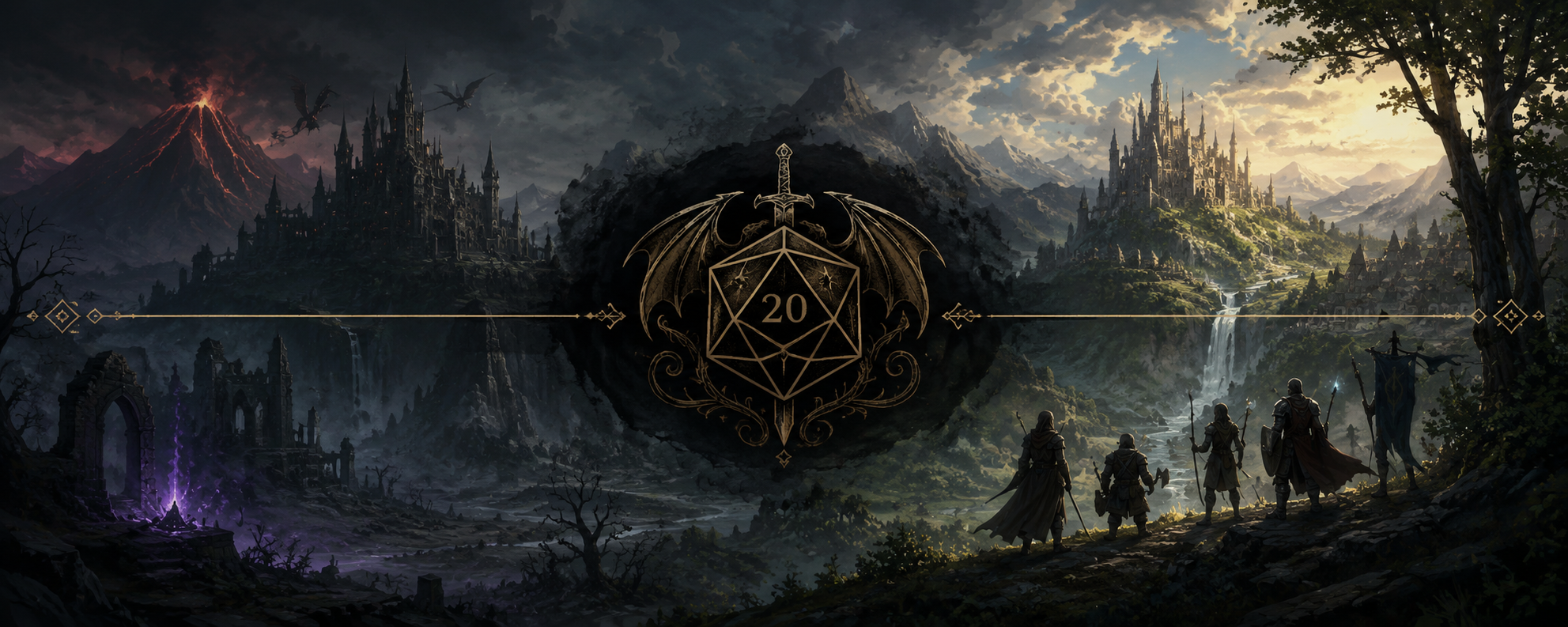
D&D 5e is built for high-fantasy adventure, where players take on the roles of powerful heroes who grow stronger over time. Combat is tactical, with a heavy focus on abilities, spells, and hit points. The system encourages creative problem-solving but is ultimately geared toward victory and progression.
-
Call of Cthulhu 7e, on the other hand, is a horror-centric game where players are ordinary investigators facing incomprehensible cosmic horrors. The game uses a percentile-based skill system (d100) rather than D&D’s d20, and combat is often deadly—survival depends on wits, not brute strength. Sanity mechanics add psychological tension, making every encounter with the unknown a risk.
If you’re drawn to Lovecraftian horror, the Call of Cthulhu Keeper Rulebook is the essential guide for running games in this haunting setting.
Pros and Cons of Call of Cthulhu vs D&D 5e Systems
Call of Cthulhu 7e Pros:
- Atmospheric Horror: The sanity system and investigative gameplay create unmatched tension.
- Rules-Light Narrative: The d100 system is intuitive for skill checks, and combat is fast and lethal.
- Mystery-Driven: Perfect for players who enjoy solving puzzles and uncovering secrets.
Call of Cthulhu 7e Cons:
- High Lethality: Characters die or go insane frequently, which can frustrate players who prefer long-term progression.
- Niche Appeal: The horror theme isn’t for everyone, especially those who prefer heroic action.
D&D 5e Pros:
- Accessible & Popular: Easy to find groups, with streamlined rules for newcomers.
- Character Growth: Leveling up and gaining powerful abilities is highly rewarding.
- Versatile: Supports dungeon crawls, political intrigue, and epic battles.
D&D 5e Cons:
- Less Focused on Horror: While you can run horror in D&D, the system’s mechanics favor heroic resilience over fear.
- Combat-Heavy: Sessions can bog down in tactical fights, which may not suit mystery-focused groups.
For those who want a premium Call of Cthulhu experience, the 50th Anniversary Slipcase Set includes beautifully crafted rulebooks and supplemental materials.
Which System is Best for Beginners?
For absolute beginners, D&D 5e is often the easier entry point. Its rules are widely understood, and the heroic fantasy theme is more universally appealing. However, Call of Cthulhu can be a great choice for players who:
- Prefer storytelling over complex mechanics.
- Enjoy horror and mystery more than combat.
- Want a game where failure is part of the narrative.
New Keepers (GMs) might start with the Call of Cthulhu Investigator Handbook, which provides player-facing rules and tips for surviving the horrors of the Mythos.
Final Verdict
- Choose D&D 5e for heroic fantasy, tactical combat, and long-term campaigns.
- Choose Call of Cthulhu 7e for immersive horror, investigative gameplay, and high-stakes storytelling.
Both systems excel at what they’re designed for—it just depends on what kind of adventure you’re seeking.