Four things stand between you and your first game of D&D: deciding whether you're playing or running it, getting a copy of the rules, finding people to play with, and showing up to the table. None of them take long, and none of them require reading a 300-page rulebook first. Here's the order to do them in.
Step 1: Decide — Are You Playing or Running?
Every D&D group needs one person to be the Dungeon Master (DM) — the person who describes the world, plays every character you meet, and rules on what happens when you try something the rules don't cover exactly. Everyone else is a player, controlling one character they've created and deciding what that character does.
Being a player is the easier on-ramp: you show up, make a character, and react to what the DM describes. Running the game asks more of you before the first session — reading the adventure ahead of time, keeping track of the world, making calls on the fly — but it's not as intimidating as it sounds, since a good starter adventure does most of the heavy lifting for a new DM. The full breakdown of what a DM actually does covers this in more detail if you're on the fence.
Our recommendation: if someone in your group already wants to DM, start as a player — it's the lowest-friction way to learn the game. If nobody does, someone has to be willing to learn, and a starter set adventure (below) is built specifically to make that first attempt easy.
Step 2: Get the Rules — Free or Paid
You don't need the full Player's Handbook to start. Two realistic options:
- Free: Wizards of the Coast publishes the D&D Basic Rules as a free PDF — classes, spells, and combat, enough to run a real campaign. It's missing some character options from the full book, but nothing that matters for a first session. It's also listed on our Free Games Guide alongside other no-cost options.
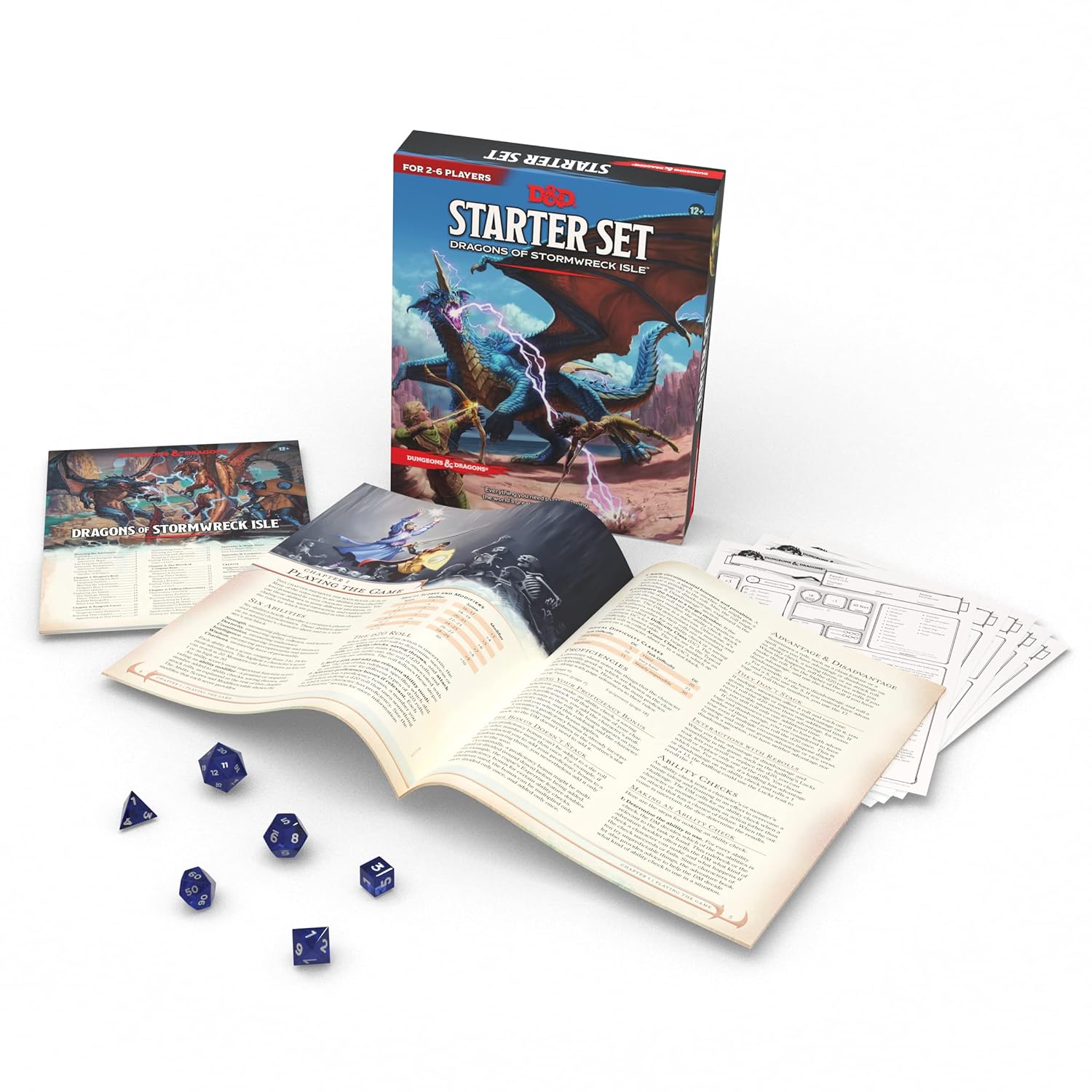
- Paid, and the easier path for a group: the D&D Starter Set includes simplified rules, pre-made characters, dice, and a short adventure built to teach the game as you play it — no separate rulebook required before your first session.
Starter Set
Step 3: Find Your Group
You don't need experienced players — most groups start with everyone new. The realistic options, roughly in order of ease:
- Ask friends or family first. Most first groups form this way, with nobody at the table having played before.
- Play online if your group is spread across different cities — Roll20 and Foundry VTT both work well for this.
- Try a local game store. Many run open tables specifically for beginners.
- No group yet? See I Don't Have Anyone to Play With for Discord communities and other ways to find a table, or play solo — some games, including a GM-less version of the basics, don't need a group at all.
Step 4: Run Your First Session
Whether you're playing or DMing, the first session is more forgiving than it looks — you're not expected to know every rule going in. For a full walkthrough of what to prepare, what to skip, and what actually happens at the table, see How to Run Your First TTRPG Session.
What to Buy After Your First Session
If the group wants to keep going, the next move is usually one of two things: a full copy of the rules if you started with the free PDF, or your first proper adventure if you started with a starter set. Lost Mine of Phandelver is one of the most commonly recommended beginner adventures to pick up next, separate from whatever came in your starter set. Browse the full Starter Sets and Adventures lists to compare options, or check what you actually need next before buying anything else.
Not sure D&D is the right starting point? The TTRPG Noob Guide covers the whole hobby, not just D&D.
Want to compare D&D to other systems first? Browse Similar Games.