"Noob" isn't an insult here — everyone who plays tabletop RPGs today started as one. If you searched for a ttrpg for noobs guide, or you've simply never played before and have no experience with any of this, you're in the right place. This page is the fast version: what a TTRPG actually is, the handful of words you'll hear before anyone explains them, what you need to spend money on (not much), and how to find people to play with. No lore, no jargon left unexplained, no assumption that you already know what any of this means.
What Is a TTRPG, Actually?
A tabletop roleplaying game (TTRPG) is a group storytelling game played with dice, character sheets, and imagination instead of a screen. One person — the Game Master (GM), or Dungeon Master (DM) in D&D — describes the world and plays every villain and stranger you meet. Everyone else controls one character they've created and decides what that character tries to do. Dice determine whether risky actions succeed. There's no winning or losing in the usual sense — the story just keeps moving, session after session, until the group decides it's done.
Dungeons & Dragons is the most famous example, but it's one system among hundreds built around the same basic idea. If you've watched Critical Role, Dimension 20, or the D&D scenes in Stranger Things, you've already seen one in action.
The Words You'll Hear
A handful of words come up constantly before your first session — DM/GM, d20, session, campaign, PC, NPC, rules weight — and they sound denser than they actually are. Most experienced players learned them by osmosis, one confused moment at a time, because nobody wrote them down in one place first. This site keeps a running glossary of exactly that vocabulary, in plain English, updated as new terms show up across every system and adventure page. Read it once before your first session and the jargon stops being a barrier.
Does This Game Need Someone Running It?
Most tabletop RPGs need one person to run the game — the Game Master or Dungeon Master — who describes the world, plays every villain, and rules on what happens when players try something unexpected. But not every game works that way: some, like Ironsworn, are built for solo or GM-less play, and others split the GM's job across the whole table. Which setup is right for you depends on whether your group wants a dedicated guide or prefers sharing that responsibility. The full breakdown covers which games require a GM, which make it optional, and which have none at all — or see our solo play guide if you want to skip the GM question entirely.
What You Actually Need to Start
Not every TTRPG hands you everything in one box. Some — like the starter sets below — include simplified rules, dice, and a ready-to-run adventure, so you buy one thing and you're playing tonight. Others split the essentials across multiple books, or expect you to already own dice and have a group ready to build characters from scratch. Knowing which type of product you're looking at before you buy saves you from an expensive surprise. For the full breakdown — the honest minimum, what to skip, and what to add later — see What You Actually Need to Start Playing a TTRPG. If you already know you want D&D specifically, How to Start Playing D&D From Scratch walks through every step in order.
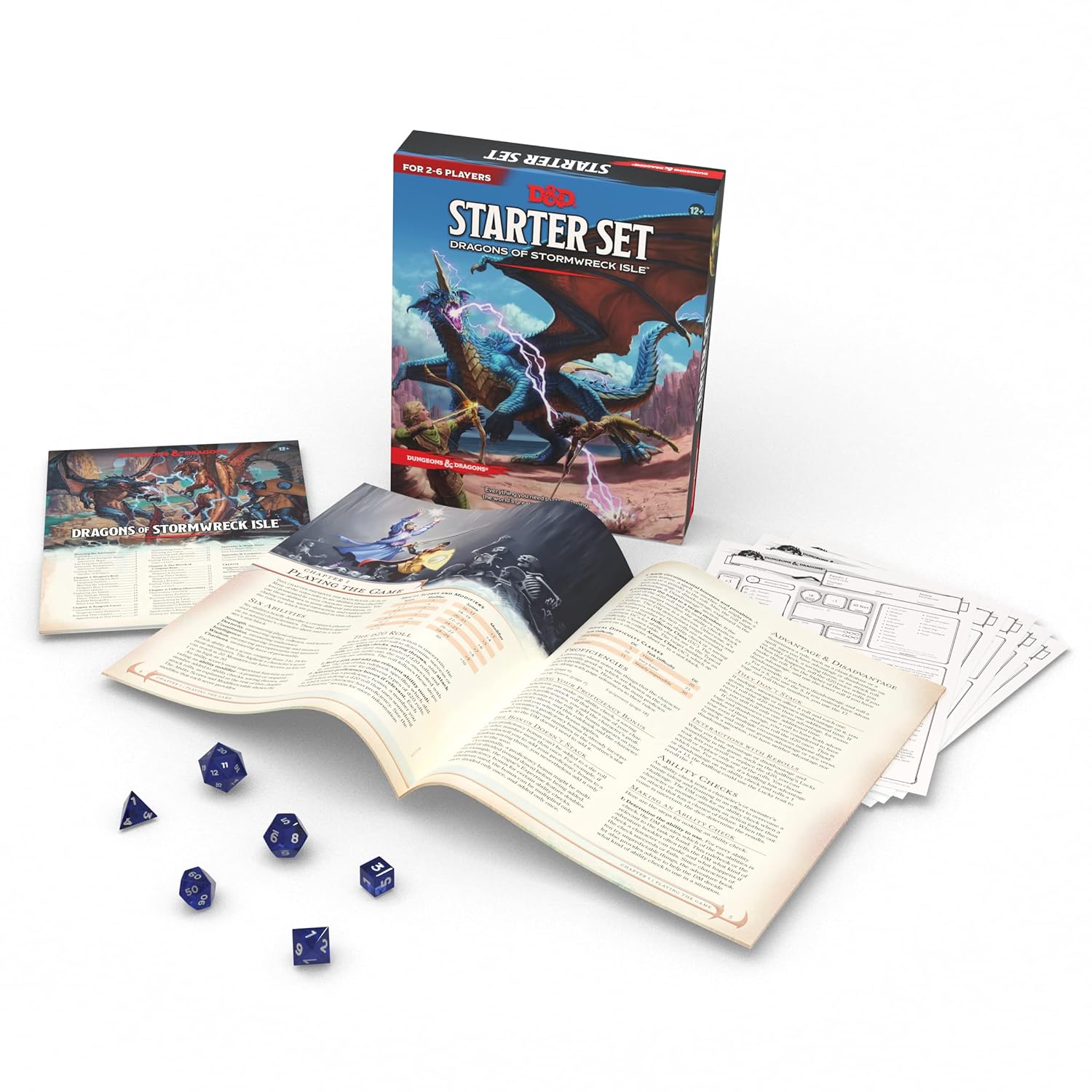
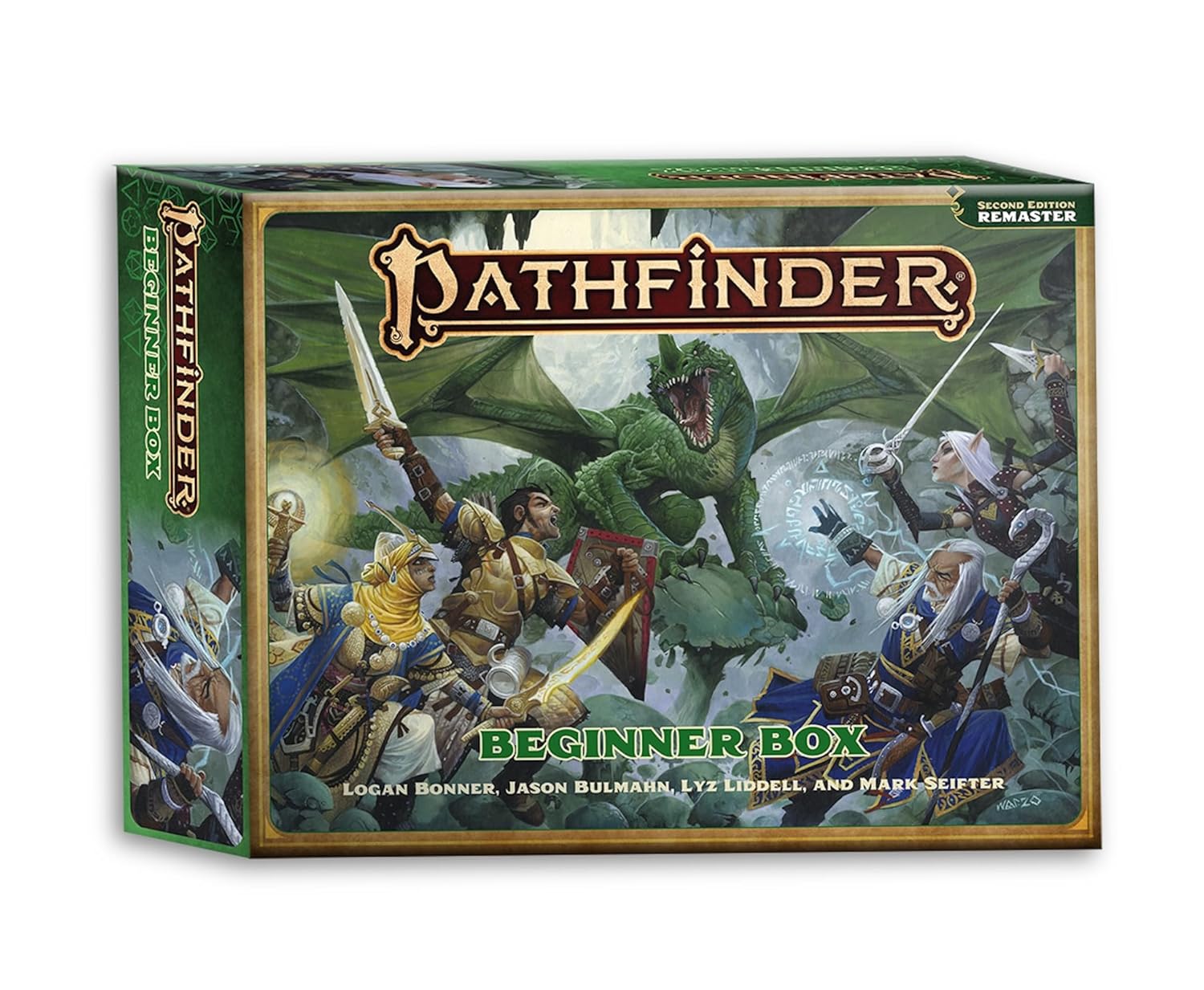
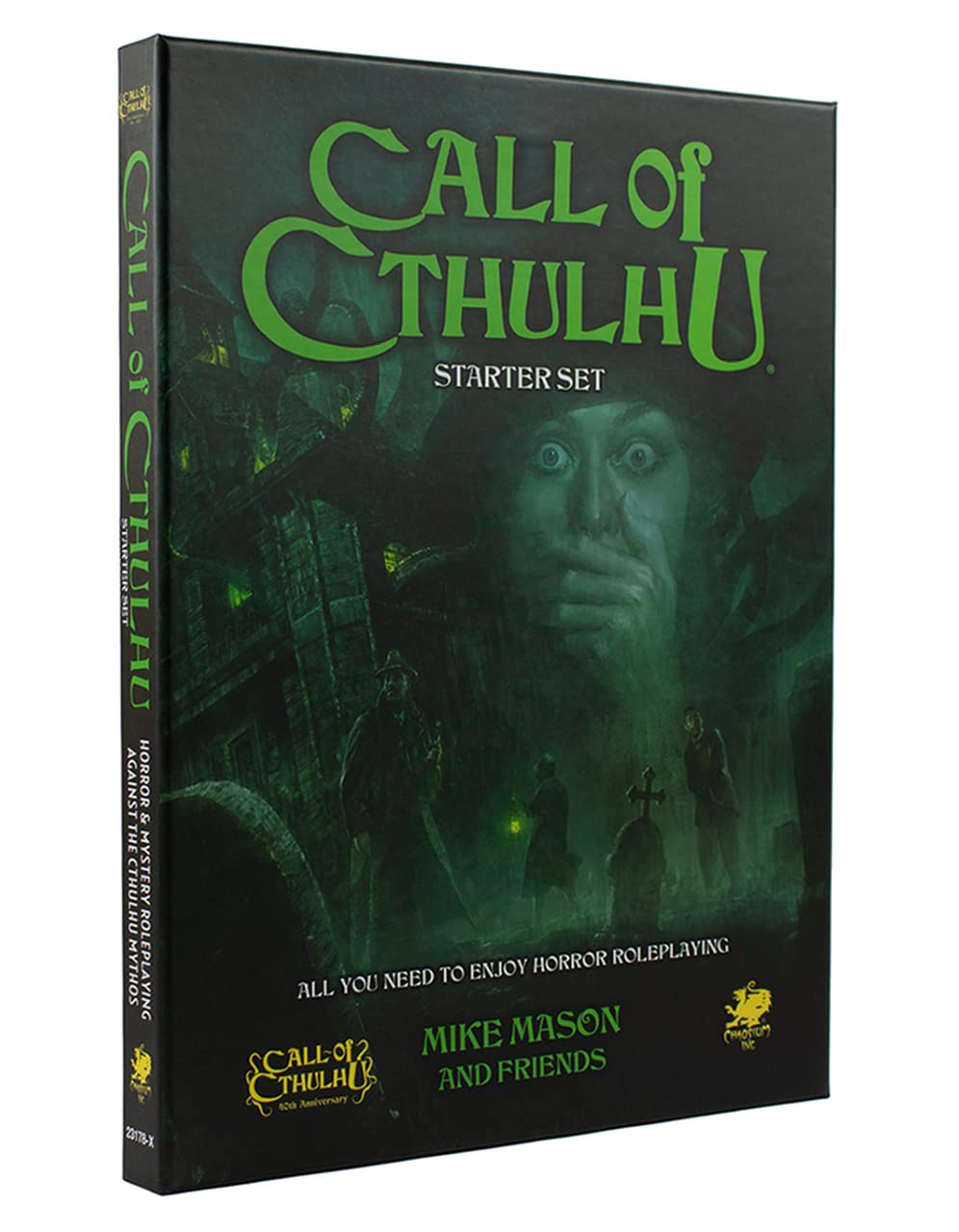
The fastest, cheapest way in either way is a starter set — pre-made characters, simplified rules, and a short adventure built to teach you the game as you play it. The D&D Starter Set, Pathfinder Beginner Box, and Call of Cthulhu Starter Set all work this way, and all cost less than a video game.
Finding People to Play With
Finding a group is easier than it sounds. You don't need a table full of experienced players to start — you need one person willing to run the game and a few people willing to try it.
- Ask friends first. Most groups start this way, even when nobody at the table has played before.
- Play online. Roll20 or Foundry VTT work well if your friends are scattered across different cities.
- Try a local game shop. Many run open tables specifically for beginners.
For the full breakdown, including Discord communities built specifically around finding a group, see I Don't Have Anyone to Play With.
What to Buy First
Buy a starter set for whichever system interests you, not the full core rulebook. Core rulebooks are dense, expensive, and most of what's in them won't matter until you've played a few sessions. A starter set gets a group playing in one evening for $15–25 — browse the full Starter Sets list to compare.
Starter Sets
Your First Session
Don't worry about knowing all the rules going in — the GM handles most of that. Going in, all you actually need to do is:
- Say what your character tries to do, in plain English — the GM and the dice handle the rest.
- React honestly to what happens, even if it's not what you planned.
- Ask questions out loud. Every table has been the "what does that mean" person before.
Everything else — dice systems, rules weight, session formats — is background you can pick up between sessions using the concept pages on this site. Read what's relevant to you and ignore the rest until you actually need it. If a story ever goes somewhere that doesn't feel good, most modern tables use simple safety tools — like the X-Card — to skip past it without making it a whole conversation. If you're the one running the game, How to Run Your First TTRPG Session covers what to prepare and what new GMs typically get wrong.
Looking for Something More Specific?
This page covers the general case. If your situation is more specific, we've got a guide for that too: TTRPGs for Introverts, TTRPGs for Couples, and TTRPGs for Family Game Night.
Want the full step-by-step version, with one topic per screen and pictures? Start the beginner walkthrough.
Already ready to compare systems? Browse Similar Games.