Dungeons & Dragons: What It Is and Who It's For
Dungeons & Dragons (D&D) is the most well-known tabletop roleplaying game. In it, players create characters and explore fantasy worlds guided by a Game Master. D&D (5e) is the current version.
Dungeons & Dragons (D&D) is the most well-known tabletop roleplaying game. In it, players create characters and explore fantasy worlds guided by a Game Master. D&D (5e) is the current version. It’s simpler than older editions but still has depth. This guide explains what playing it is like, how hard it is to learn, and whether it’s right for you.
Quick Picks
- Best for fantasy storytelling: D&D 5e (this page)
- Easiest way to start: D&D Starter Set
- Best for tactical combat: Pathfinder 2e
At a Glance
| Best for | Fantasy storytelling with structured combat |
| Rules weight | Medium |
| GM required | Yes |
| Solo play | No |
| Session length | 2–4 hours |
| Players | 3–6 (including GM) |
| Best starter product | D&D Starter Set (~$25) |
Start here: Buy the D&D Starter Set. It’s the fastest, cheapest way to try D&D — includes everything for 4–6 sessions and teaches the rules naturally. New to TTRPGs entirely? Read our beginner walkthrough first.
What Playing D&D Actually Feels Like
D&D is collaborative storytelling with rules. The GM describes a situation, players say what their characters do, and dice decide whether they succeed. A typical session mixes three things: talking to NPCs, exploring locations, and fighting in turn-based combat. Sessions run 2–4 hours; a full campaign can last months. The tone is whatever your group makes it — serious epics or silly comedy both work.
How Heavy Are the Rules?
D&D is mid-weight. It’s simpler than games like Pathfinder but has more rules than rules-light games (e.g., Dungeon World). Here’s what that means:
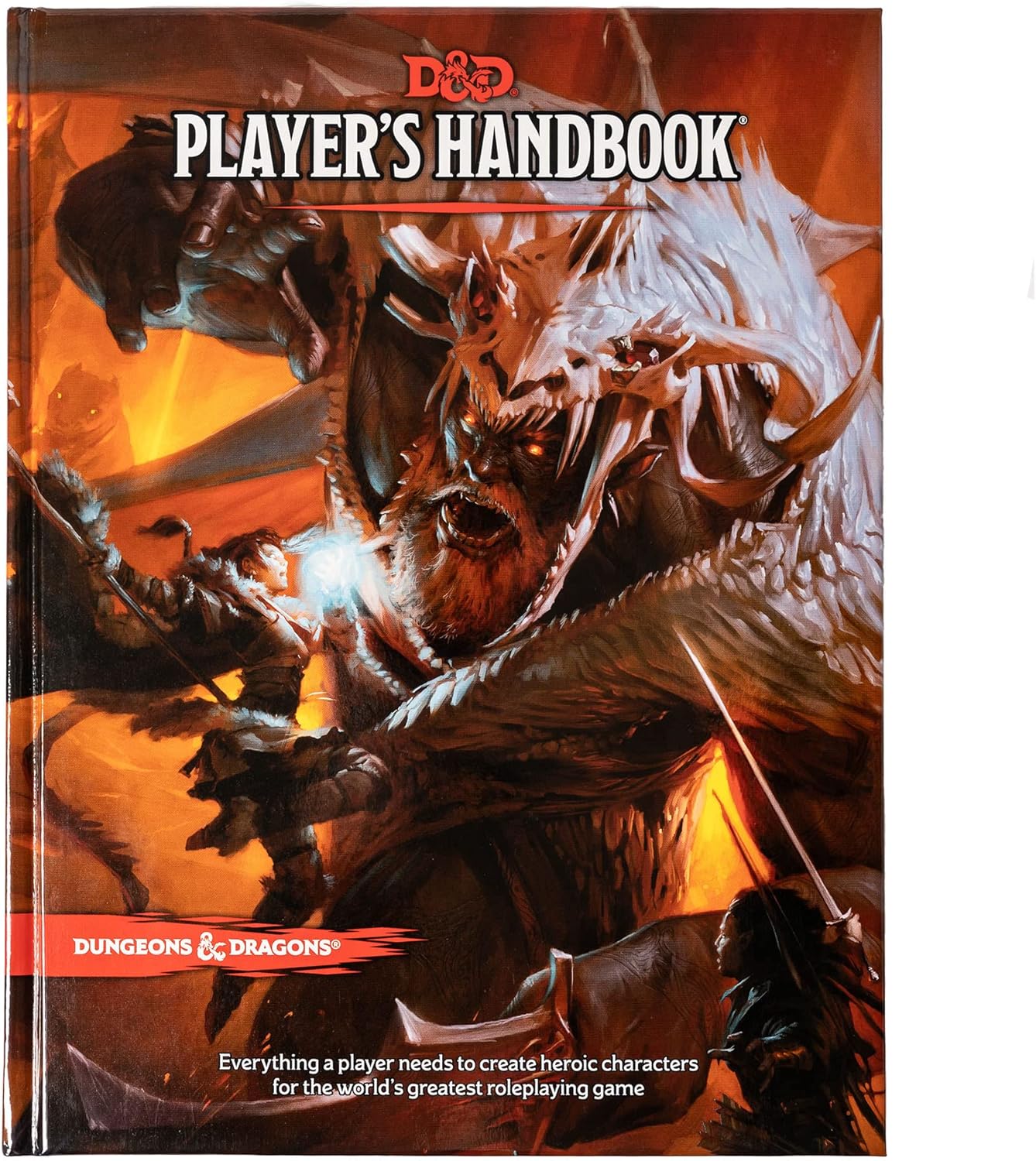
- Character creation has clear steps but many choices. You pick a race (like elf or dwarf), class (like wizard or fighter), and abilities. Beginners might feel overwhelmed by options, but the Player’s Handbook walks you through it.
- Combat rules are detailed. You track movement speed, attack rolls, and spells per day. Some players love this; others find it slow.
- Outside combat, rules are lighter. Skills (like Persuasion or Stealth) use simple dice rolls. The GM often improvises.
The core rules fit in one book, but supplemental books add complexity. For beginners, sticking to the Player’s Handbook is best.
Do You Need a Game Master?
Yes. D&D requires a GM (called a Dungeon Master, or DM, in D&D). The GM prepares the world, plays NPCs, and referees rules. Without one, the game doesn’t work.
Being a GM is rewarding but hard. You need to:
- Learn the rules well.
- Plan stories but adapt when players go off-script.
- Balance combat so it’s challenging but not deadly.
If no one in your group wants to GM, try:
- Pre-written adventures: These give the GM ready-made stories. Lost Mine of Phandelver (in the Starter Set) is beginner-friendly.
- GM-less games: If GMing seems like too much, consider games like Fiasco or Ironsworn that don’t need one.
What to Buy First
The starter option — D&D Starter Set
The D&D Starter Set includes:
- A rulebook (simplified version of the core rules).
- Lost Mine of Phandelver, a well-designed beginner adventure.
- Pre-made characters so you can start playing fast.
It’s cheap ($20–$30) and covers 4–6 sessions. Good for testing if you like D&D.
The minimum you actually need
To play long-term, buy:
- Player’s Handbook: Has all rules for players and character creation.
- Dice: A standard 7-dice set (d4, d6, d8, d10, d12, d20).
- GM supplies: If you’re the GM, add the Monster Manual (enemy stats) and Dungeon Master’s Guide (optional rules).
You can share books at the table. Digital tools (like D&D Beyond) help but aren’t required.
Is D&D Good for Beginners?
Yes if…
- You want a classic fantasy RPG with elves, dragons, and magic.
- Your group has someone willing to GM (or you are).
- You’re okay with mid-weight rules. You don’t need to memorize everything, but you’ll need to reference the book often at first.
No if…
- You want rules-light play. Try Dungeon World or Maze Rats instead.
- No one wants to GM. D&D doesn’t work without one.
- You dislike fantasy. D&D is flexible but works best for medieval adventures. For sci-fi, try Stars Without Number; for horror, try Call of Cthulhu.
D&D vs Pathfinder — The Most Common Comparison
Pathfinder (especially Pathfinder) is D&D’s biggest competitor. Both are fantasy RPGs, but:
- Rules: Pathfinder 2e has more character options and crunchier rules. Building a character feels like assembling a machine—fun for optimizers, overwhelming for beginners. D&D is simpler.
- Combat: Pathfinder uses strict positioning rules (squares, flanking). D&D can be played loosely (“theater of the mind”).
- Cost: Both require 3 core books, but Pathfinder’s rules are free online (Archives of Nethys). D&D’s aren’t.
Choose D&D if you want a gentler start. Choose Pathfinder 2e if you love deep character builds and tactical combat.
Best Adventures for D&D
Pre-written adventures save the GM significant preparation time and provide balanced encounters that teach the rules gradually. They are especially useful for first-time groups because they include ready-to-use maps, monster statistics, and story hooks that keep sessions moving without requiring the GM to invent everything on the spot. Many also include sidebars with tips for running specific scenes.
Good ones for beginners:
- Lost Mine of Phandelver (in the Starter Set): A balanced mix of combat, exploration, and social interaction. Teaches the rules naturally.
- Dragon of Icespire Peak (in the Essentials Kit): Quest-based, easy to run. Includes rules for sidekicks (simpler NPC allies).
- Curse of Strahd: Gothic horror. More complex but great for groups who like dark stories.
Avoid overly long adventures (like Tomb of Annihilation) until you’re comfortable with the rules.
Frequently Asked Questions
Q: Can I play D&D with just 2 people?
Yes, but it requires adjustments. One person GMs while the other plays with a sidekick character or multiple PCs. The Essentials Kit includes rules for 2-player games.
Q: How long does it take to learn D&D?
Most groups grasp basics in 1–2 sessions. Full system mastery takes months, but you only need to learn relevant rules for your character type to start playing.
Q: Is D&D expensive to start?
Not necessarily. The Starter Set ($20–$30) provides everything needed for several sessions. Core rulebooks are a bigger investment but last for years of play.
Q: What if I want something narrative-first instead of D&D’s rules-heavy combat?
Worth a look: why Daggerheart, built on a modified version of D&D’s own ruleset, has become one of the most talked-about alternatives.