Three things, honestly: something to roll dice, a copy of the rules, and people to play with. Everything else — miniatures, battle mats, extra sourcebooks — is optional gear you can add later, not a barrier to your first session.
The Honest Minimum — 3 Things
- Something to roll dice. A cheap polyhedral dice set costs a few dollars, and most starter sets include one. If you genuinely have nothing, free dice-roller apps and websites work fine for a first session.
- The rules — free or paid. You don't need the full core rulebook. A free PDF or a starter set (both below) both work.
- People to play with — or a solo game. One person willing to run the game and a few willing to try it is enough. No group yet? See how to find one, or play solo instead.
Option 1: Start for Free Tonight
If you want to try the hobby before spending anything, the Free Games Guide lists ten complete, real games — including the official D&D Basic Rules — that cost nothing to play. This is the lowest-risk way to find out if you like the hobby before buying anything.
Option 2: The $15–30 Starter Set (Easiest for a Group)
A starter set is the fastest path from "never played" to "playing tonight": simplified rules, pre-made characters, dice, and a short adventure built to teach the game as you go, all in one box. Pick based on genre — fantasy adventure, horror investigation, or more tactical combat:
Starter Sets
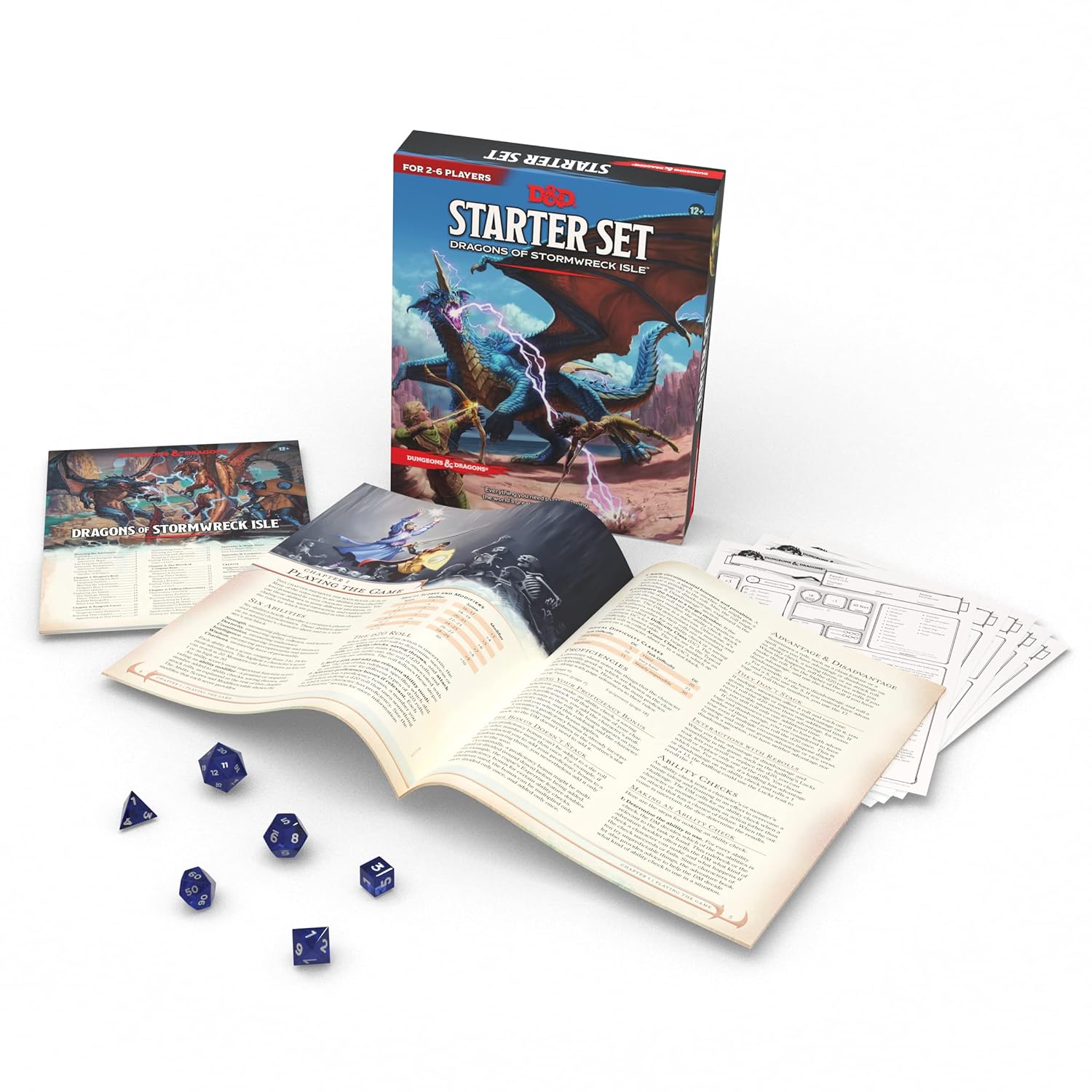
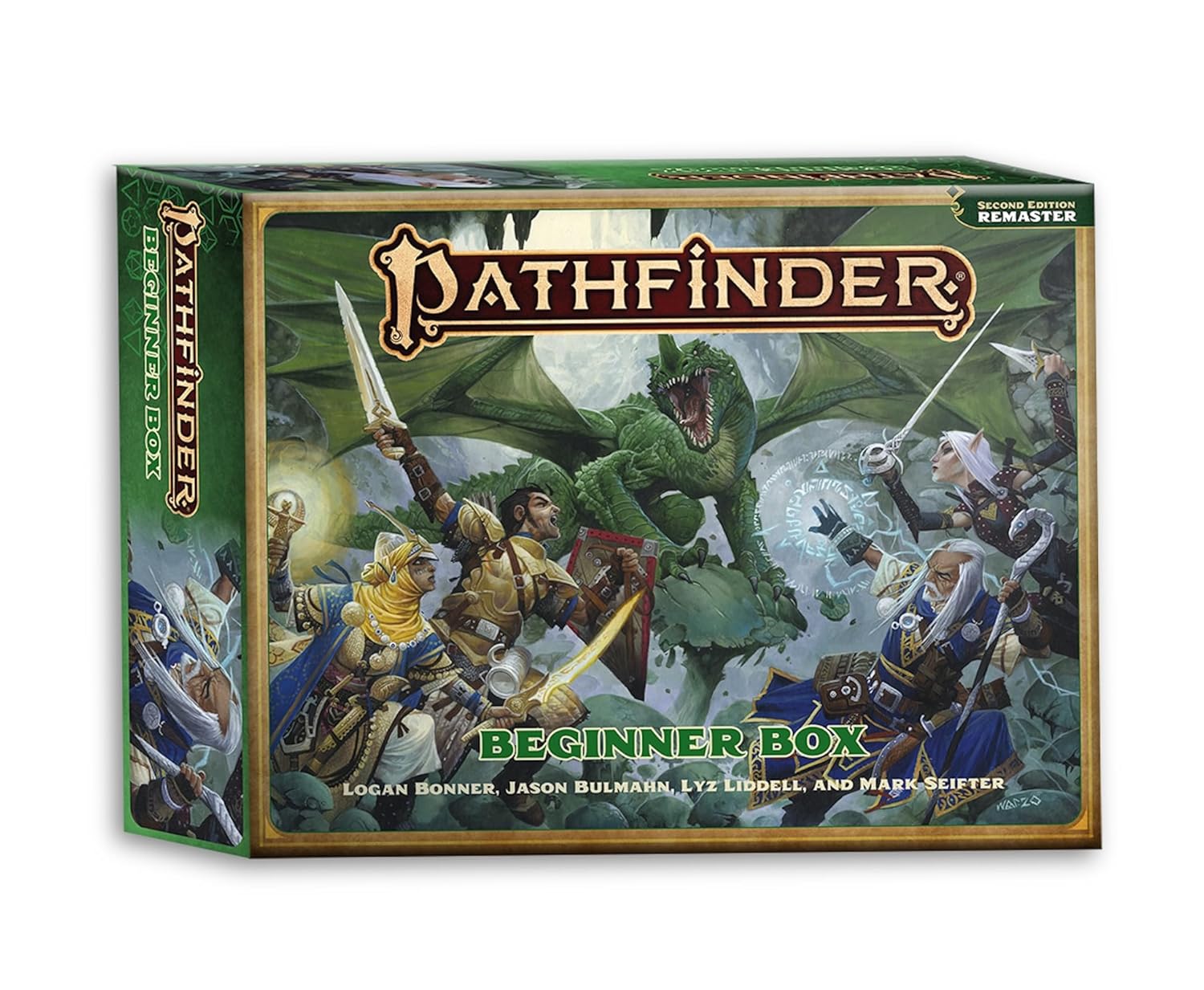
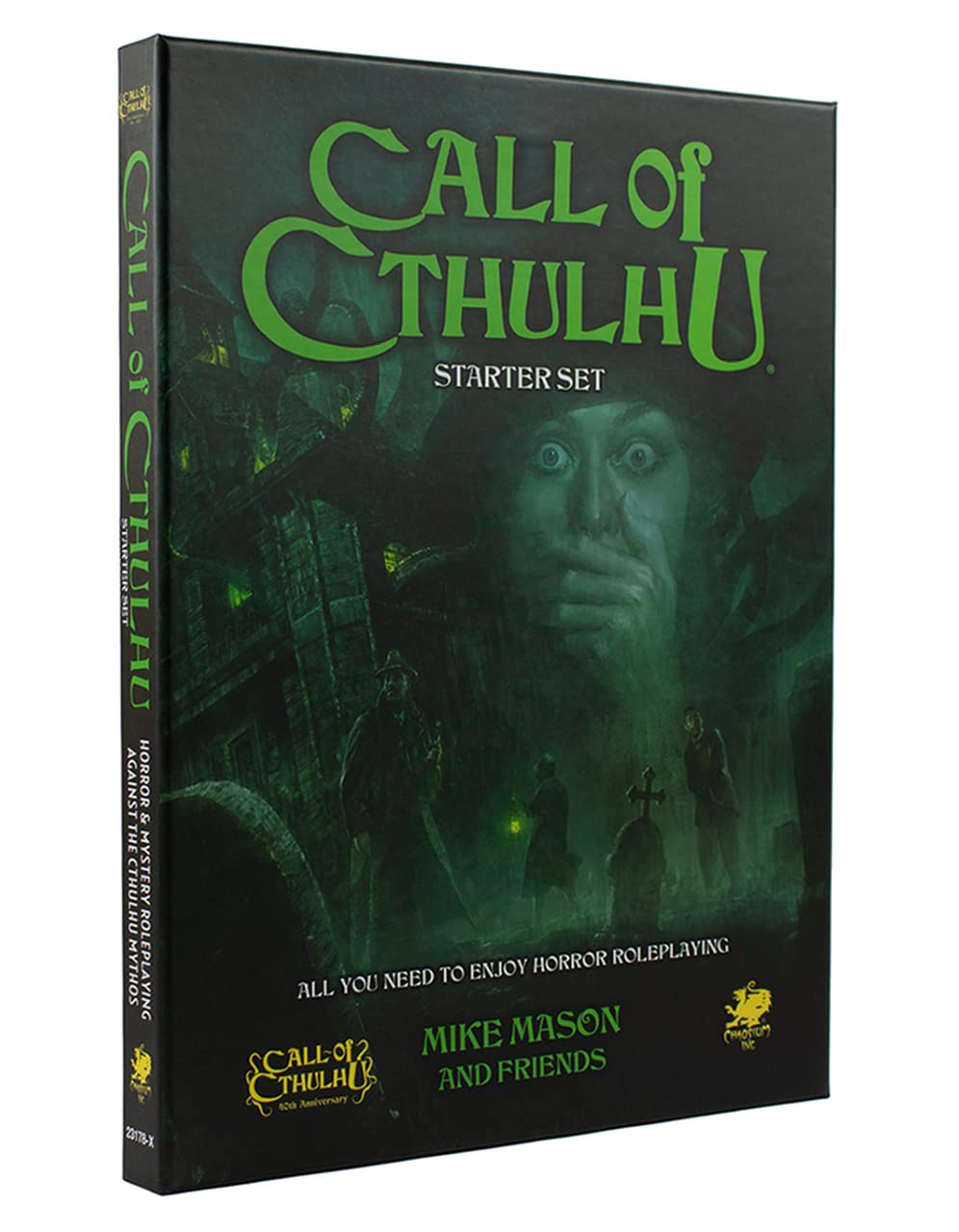
Not sure which fits? The full Starter Sets page compares all three side by side, and each system's page — D&D 5e, Call of Cthulhu, Pathfinder — explains who each game is actually for.
Option 3: Jump Straight to the Full Game?
"The full game" means the complete core rulebook — the Player's Handbook for D&D, for example — without the training-wheels structure a starter set provides. It's more content for a similar or slightly higher price, but most of it won't matter until you've played a few sessions and know what you actually want from the game. Most beginners are better served starting with a starter set or the free rules, then buying the full rulebook once they know they're hooked.
What You Do NOT Need Yet
- Miniatures. Combat works fine described in words or sketched on paper for a first session — miniatures are a later upgrade, not a requirement.
- A battle mat. Same logic — useful once your table wants precise tactical combat, unnecessary for session one.
- Extra sourcebooks (like a Dungeon Master's Guide). These expand options for an experienced DM. A starter set's included adventure is a better use of a new DM's attention than an additional book.
What to Add After Your First Session
If the group wants to keep playing, the next purchase is usually a full adventure — either a continuation if your starter set's included adventure has more to it, or a fresh one like Lost Mine of Phandelver, one of the most commonly recommended beginner adventures on its own — or the full core rulebook if you started free. See Entry Point and Format for a closer look at what each product type actually includes, or browse the full Adventures list once you're ready.
Haven't picked a system yet? Start with our TTRPG Noob Guide.
Ready to play but don't know what happens next? See How to Run Your First TTRPG Session.